
Dr. Lee’s Research and Wisdom About Endometriosis
By John R. Lee, M.D.
From the John R. Lee, M.D. Medical Letter – July 1998
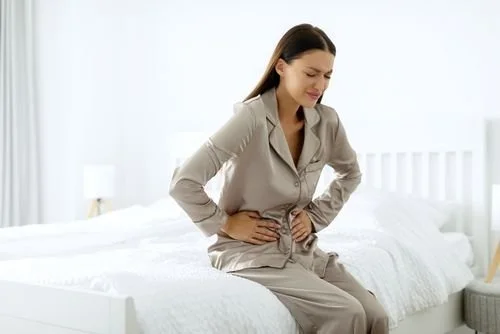
Editor’s Note - If you or someone you love suffers from endometriosis, you know how painful this health issue can be. Endometriosis is a condition in which endometrial cells – the cells that make up the tissues lining the inside of the uterus – spread to areas outside of the uterus. Endometrial tissue cells may attach to the ovaries, the bladder wall, the intestinal walls, and other areas in the abdomen. This tissue swells and expands as estrogen levels rise during the menstrual cycle, causing severe pain, inflammation, and even infertility.
To learn more about this health issue and Dr. Lee’s recommendations for getting relief from it, we encourage you to purchase and read his book, What Your Doctor May Not Tell You About Premenopause. In addition, read the following exchange between Dr. Lee and a woman who wrote to him about her endometriosis symptoms. Please share this article with any women you know who are suffering!
“Q. I am 35 years old and I have endometriosis. I also suffer from estrogen dominance symptoms (breast tenderness, bloating, irritability, fatigue, insomnia, and increasingly painful symptoms related to endometriosis). After having my salivary hormone levels tested, I found that my progesterone level on day 21 of my cycle was only 0.01. My doctor is skeptical of saliva tests and will not prescribe natural progesterone for me. Instead, she has prescribed birth control pills to ease these symptoms (and dissolve a cyst in my ovary).
After three months on birth control pills my symptoms — including debilitating cramps which last for 8 days and periods which now last for two weeks — are only getting worse with each cycle.
Are the birth control pills exacerbating my existing symptoms? Would I benefit from taking natural progesterone? If so, is it safe to continue the birth control pills at the same time, or should I stop them?”
“A. The history you report is typical: you have obvious symptoms of estrogen dominance and your saliva test shows you are deficient in progesterone. Also, it is common that birth control pills do not work very well for endometriosis. Furthermore, the potent progestins in the birth control pills not only blockade real progesterone from its receptors, but also stop the ovary from producing any progesterone at all. Therefore it is useless to use real progesterone when taking the birth control pills.
“My treatment for endometriosis is based on the well-known fact that endometriosis usually subsides during pregnancy. Unfortunately, the symptoms often recur some time after delivery. The underlying endometriosis hypothesis is that estrogen dominance stimulates proliferation of blood-rich tissue in the endometrium and in the endometriosis islets. At menstruation, the blood in the endometriosis islets has no place to go and, in the various tissues where the islets are, the blood causes inflammation and severe pain.
“Progesterone stops the estrogen-driven proliferative phase. By creating a pseudo-pregnant state from day 8 or 9 until day 26 of the menstrual cycle, this monthly proliferation of bloody tissue in the endometriosis islets is reduced. Over time, one's natural healing process will heal the endometriosis islets. Most patients find reduction of pain in three to four months, and continued relief as time goes by.
“When endometriosis pains have subsided, the dose can be reduced gradually to find the level that keeps the pains away. After menopause, when estrogen levels decline, the dose of progesterone can be reduced even further.
“The pseudo-pregnant state (from day 8 or 9 until day 26) is obtained by using about 40 to 50 mg of progesterone daily, applied topically in divided doses twice a day, usually at bedtime and in the morning.
“Later, when pain symptoms have subsided considerably, the dose can be reduced to about 20 to 30 mg per day.
“After menopause, the typical dose is about 15 mg/day for 25 to 26 days of the month.
“The amount of cream you use is related to the quantity of the cream and its progesterone concentration.
“In conclusion, the answers to your questions are: 1) Yes, the birth control pills can exacerbate your symptoms; 2) Yes, you will probably benefit from transdermal natural progesterone; 3) No, you must abandon the birth control pills and use real progesterone.”

What Your Doctor May Not Tell You About PREmenopause
Balance Your Hormones and Your Life from Thirty to Fifty.
by John R. Lee, M.D., Jesse Hanley M.D. and Virginia Hopkins
Warner Books 1999 (395 pages)
Real solutions from John R. Lee, M.D. for PMS, fibroids, fibrocystic breasts, weight gain, fatigue, endometriosis, irregular or heavy periods, infertility, miscarriage, and other premenopausal hormone imbalance symptoms, in detail. He also covers the topics of stress, birth control pills, hysterectomy and cancer. Many case histories are included, and Dr. Hanley adds a new dimension to this book by addressing the emotional issues of premenopause symptoms as well as the use of herbs and nutritional supplements to treat symptoms.